Motion Control
The Fleet
 01
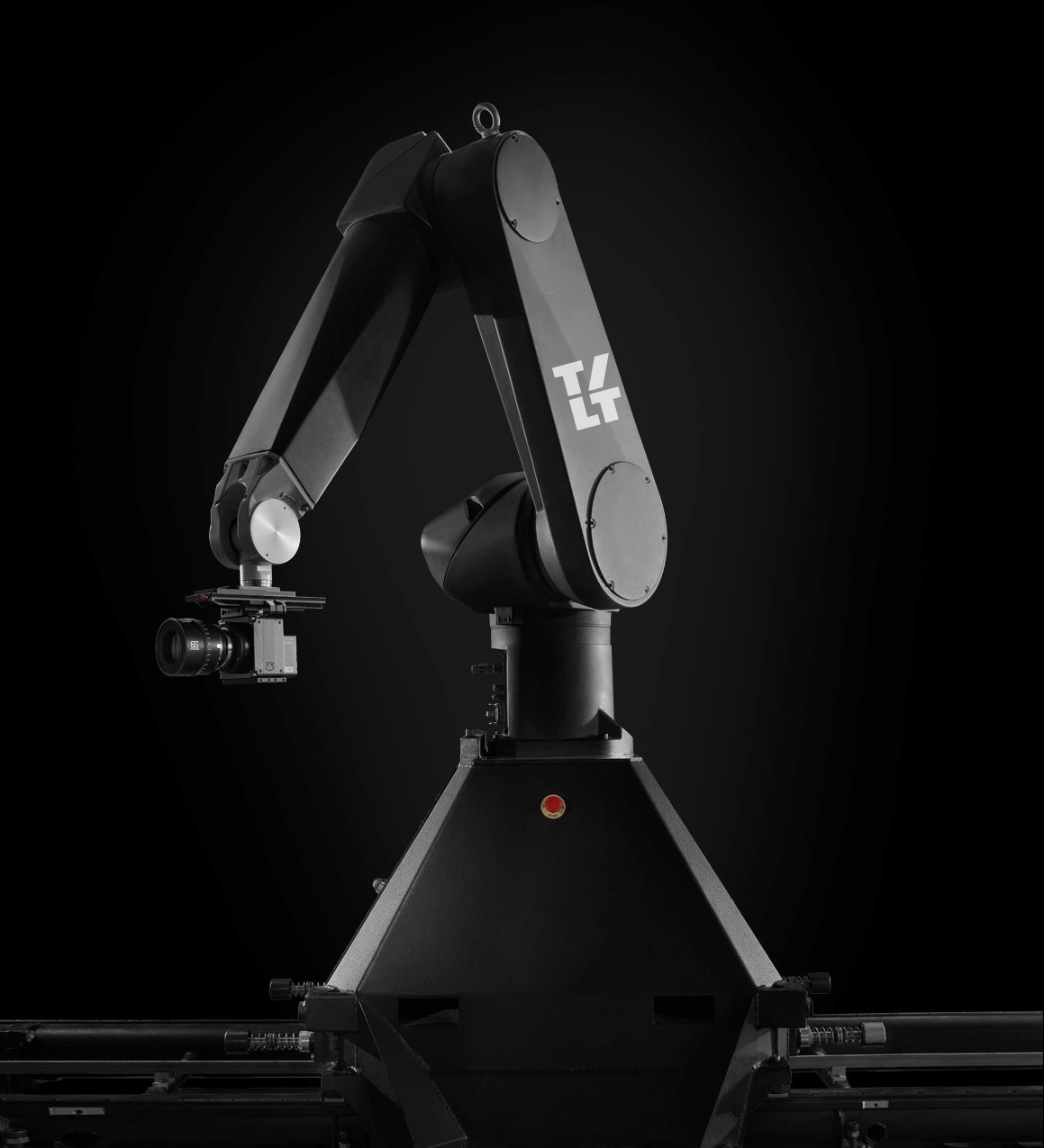
01 Bolt on tracks
Follow any object, person, or landscape to give much more flexibility in terms of visual creativity. Capable of speeds of up to 5 metres per second, execute any number of complex camera movements with pinpoint accuracy for new levels of dynamic high-speed camera tracking shots.
 02
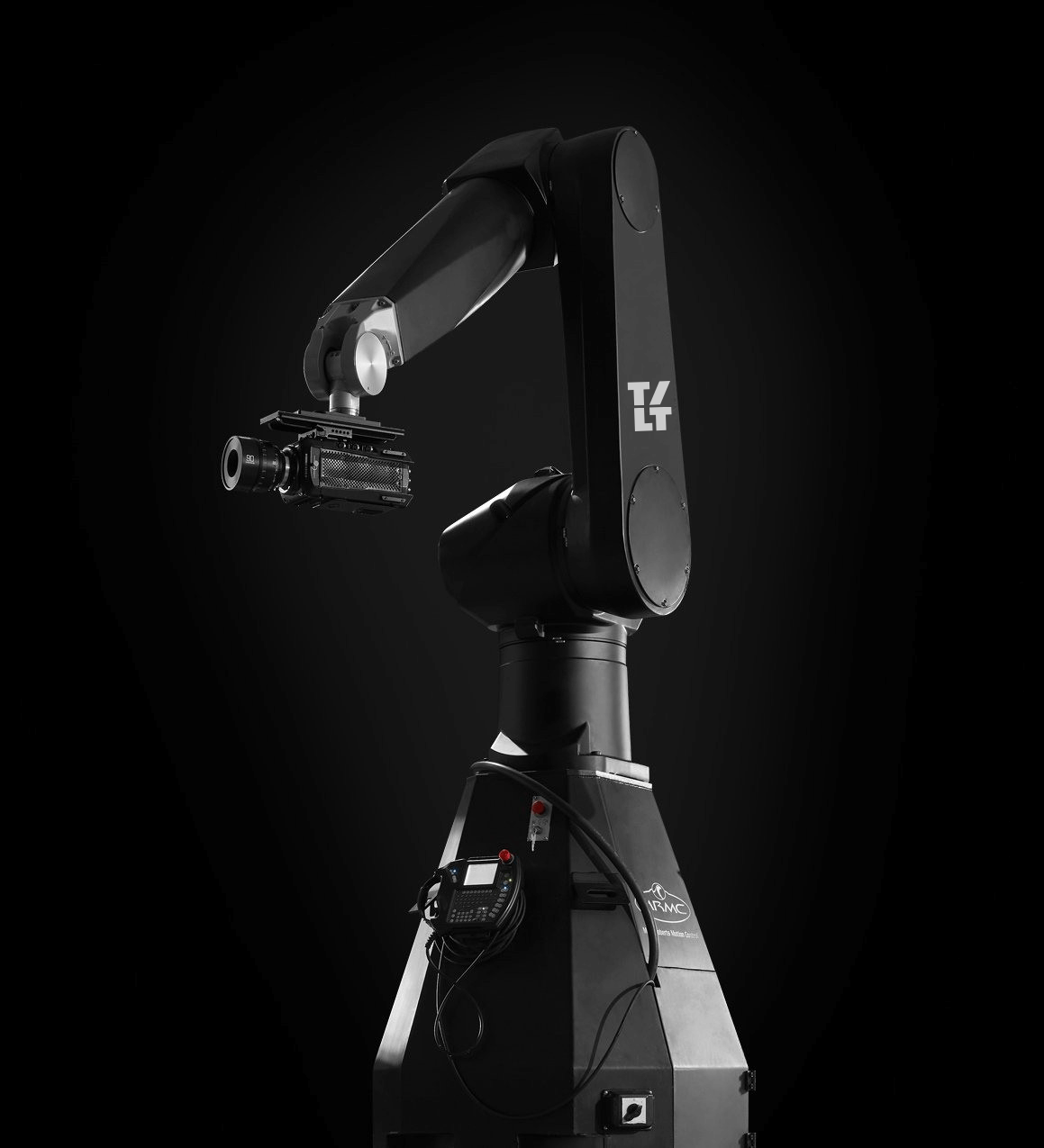
02 Bolt Arm
Moves from standstill to full high-speed motion and back to a complete stop in fractions of a second — capturing the fastest action with pinpoint accuracy. An essential tool for high-speed, SFX, and tabletop shots. It has also graced numerous events as a Glambot.
 03
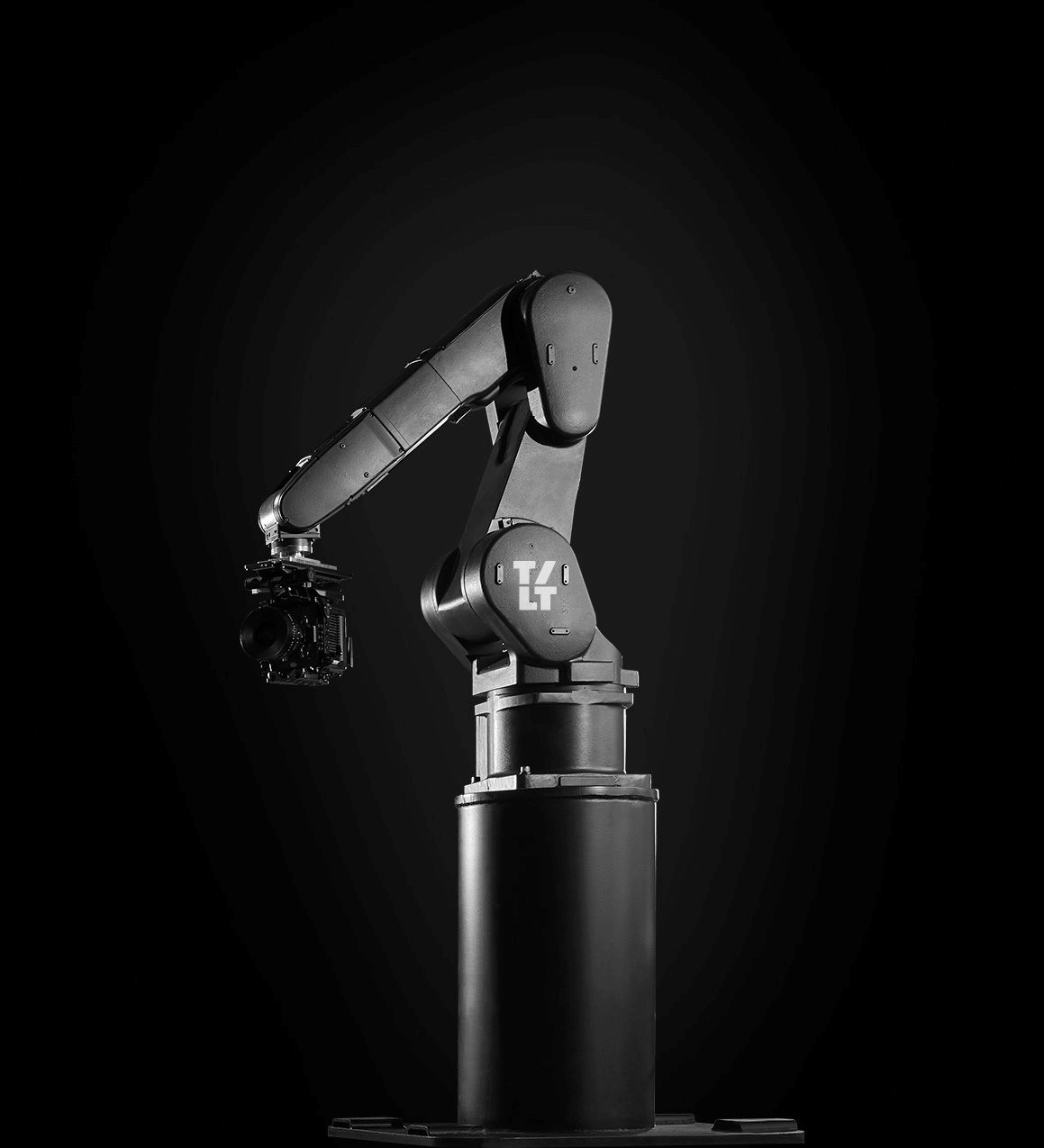
03 Bolt JR
Compact, lighter weight high-speed camera robot with a longer reach. The agile, smaller rig is an ideal solution for smaller spaces or location work. We’ve even used it in bus and tram!
 04
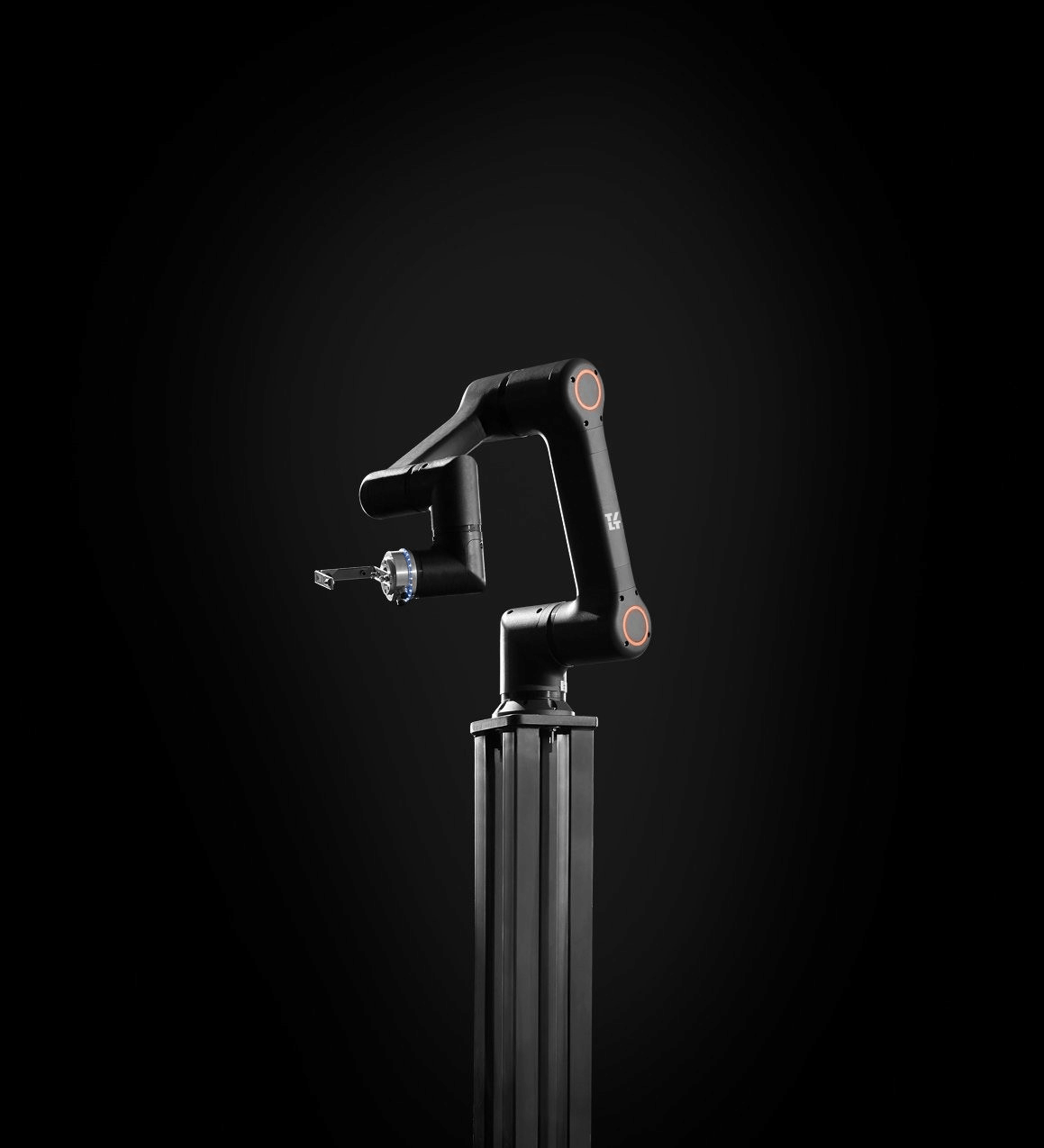
04 ModelMover
Extremely versatile lightweight 6-axis highspeed arm capable of full manipulation of products with repeat pass precision, timing and triggering capabilities. Mount utensils like forks, spoons or even sports accessories such as shoes or rackets to get the most dynamic high-end shots.
The highest expertise and solutions in high-speed filming
A filming technique that enables you to shoot an event at a high frame rate and playing the images back at a much slower rate, so you can actually see what’s happening. It emphasizes narrative details, product features and character development by presenting the viewer with an abundance of valuable new information and more time to experience the micro moment. Even the seemingly most mundane scenes can benefit from being filmed in slow motion.
Phantom Flex 4K
Up to 2,570 fps at 1920×1080 in Standard Mode. 12-bit pixel depth. HQ Mode provides the ultimate in image stability under changing shooting conditions. Phantom CineMag & CineMag II compatible, CineMag interface has field-replaceable pin array. 2 × 4:2:2 HD-SDI video ports, can be configured as dual-link 4:4:4 video (4:4:4 not available at 60 fps video formats).
Phantom VEO 4K | 1
The Phantom VEO4K-PL produces highly detailed 4K imaging at 1,000 fps in a rugged and compact housing. Features include access to CFast 2.0 recording media and the connections necessary to accommodate media production needs.
Phantom VEO 4K | 2
The Phantom VEO4K-PL produces highly detailed 4K imaging at 1,000 fps in a rugged and compact housing. Features include access to CFast 2.0 recording media and the connections necessary to accommodate media production needs.
Phantom Flex 2,5K
The Phantom Flex4K produces highly detailed 4K imaging at 1,000 fps. The CineMag recording media enhances workflow capabilities. The Flex4K has been designed specifically for professional cinema applications.
Practical Info
- Bolt weighs about 700 kg.
- Bolt is not detachable into smaller parts and cannot be carried up the stairs.
- It enters the position on the set on small transport wheels.
- The minimum required width of the location door is 148 cm.
- The Bolt Arm base or Bolt on tracks rail ends are loaded with 560 kg weights for stability.
- For full stability in a very fast movement, it is best to screw the base to the studio floor (drilling 4 holes in the concrete floor of the studio).
- The rails are straight sections 3 m long each section + 50 cm plates for the weights on the end of the track.
- The weight of 1 rail section is 80 kg.
- There are 9 meters of rails in our basic set for Bolt on tracks. The rails set can be optionally extended up to 18 m.
- More rails require more service technicians and more time to install.
- Rails require an even and stable surface. In difficult, uneven locations, it may be necessary to build a platform for the rails, by an external grip or rigging crew — in Poland, we recommend the Grip7 team.
- Setting up a Bolt arm pedestal or Bolt Junior+ takes approximately 45 minutes.
- Setting up Bolt on tracks takes approximately 1.5 hours (depending on the track length).
- The installation and calibration of the camera takes 15 to 30 minutes. The assistance of a camera technician is necessary.
- Once the camera is ready, the Bolt operator can start programming the movements.
- Easy, simple movements are programmed in a few–several minutes. Complex, long movements with many curves take much longer to program.
- If multiple scenes are planned to be shot or moves are complex, we suggest a test day for programming, the day before the shoot, on the set, with the same camera and lenses as for the shoot.
- We can export motion data for post-production in the .fbx format.
- Light weight cameras are recommended: Alexa Mini, RED, Phantom, Rialto extender for Sony Venice.
- For high-speed moves, lightweight lenses are recommended (safety in the emergency arm stop).
- For greater freedom of movement, it is best to use a power supply with a 4 m cable instead of a battery for the camera.
- Focus is usually programmed by the Bolt operator. But for scenes with unpredictable, improvised actors’ choreography, or the need for improvised focus, a manual focus and focus puller are necessary.
- Powering from a generator is recommended. Back currents, even from a properly functioning robot, can trip the studio’s fuses. A generator eliminates this risk.
- A separate power line 32 Amp.
- Power consumption 3 kW.
- Bolt is not sound-proof due to the motor noises.
- Bolt is not rain-proof since the electronics are built into the rig. Bolt should be covered on the spot until the rain has stopped.
Motion control, answered
What is motion control?
A technique used to control the movement of cameras or other equipment in a precise and repeatable manner thanks to robotic arms. They can move from standstill to full high-speed motion and back to a complete stop in fractions of a second — capturing the fastest action with pinpoint accuracy.
How fast is the Bolt?
Our Bolt robots are among the fastest on the market — up to 2 m/s of arm movement horizontally and vertically, 180° rotation in one second, and up to 5 m/s on track.
How long does setup take?
A Bolt arm pedestal or Bolt Junior+ takes about 45 minutes; Bolt on tracks about 1.5 hours depending on track length. The installation and calibration of the camera takes 15 to 30 minutes.
Which cameras and lenses work with the Bolt?
Lightweight cinema cameras are recommended — Alexa Mini, RED, Phantom, or a Rialto extender for Sony Venice — with lightweight lenses for high-speed moves.
Can the moves be repeated?
Yes — moves are frame-accurate and fully repeatable for object multiplication, clean plates and repeatable focus, and motion data can be exported to .fbx for post-production.
Do you travel for shoots?
Yes. We are based in Poland and work across Europe, travelling with the full Bolt fleet in transport cases.